The Politics of the Natural Hair in South Africa
Unstoppable Hair: Creme of Nature, Nomzamo Mbatha, and the Politics of the Natural Hair in South Africa
The story of Black hair on this continent has always been bigger than beauty. It has been a language of status, a marker of lineage, a spiritual practice, and, for long stretches of our history, a target. Long before the modern haircare industry existed, hair on this continent carried meaning that most Western beauty categories still cannot replicate.
Among the Fulani of West Africa, a girl's first braid was never simply a style choice, it functioned as a rite of passage, taught hand to hand across generations of women, a skill transferred the way a family transfers a name. The Himba women of Namibia coated their locks in ochre, turning hair into something between armour and art. Carved reliefs from Nubia along the Nile still show hairstyles thousands of years old that communicated exactly who a person was, what they had achieved, and where they belonged within their community.
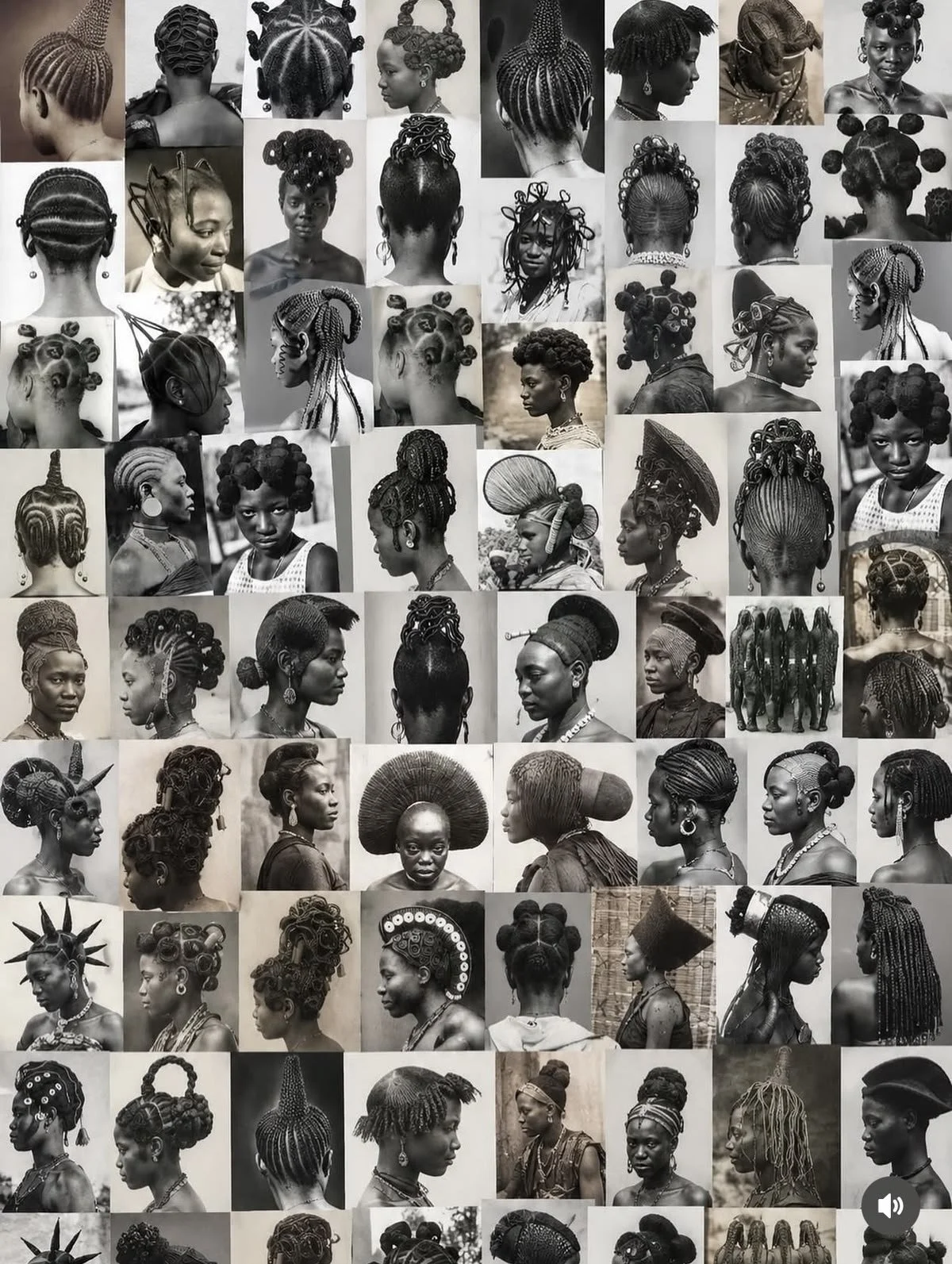
Hair, in short, functioned as one of the continent's most sophisticated visual languages. It signalled age, marital status, clan, mourning, motherhood, and war. It was never a neutral aesthetic choice, and it was never treated as one. That significance ran deeper than status and social signalling. Across many Southern African belief systems, hair was understood as a point of contact with the spiritual world, positioned closest to the ancestors and the divine. This is most visible today in the process of ukuthwasa, the initiation process through which those with ancestral callings undergo training to become traditional healers. That same reverence echoes through much of the continent, where dreadlocks among East African pastoralist communities and elsewhere have long signalled spiritual devotion and standing within a community
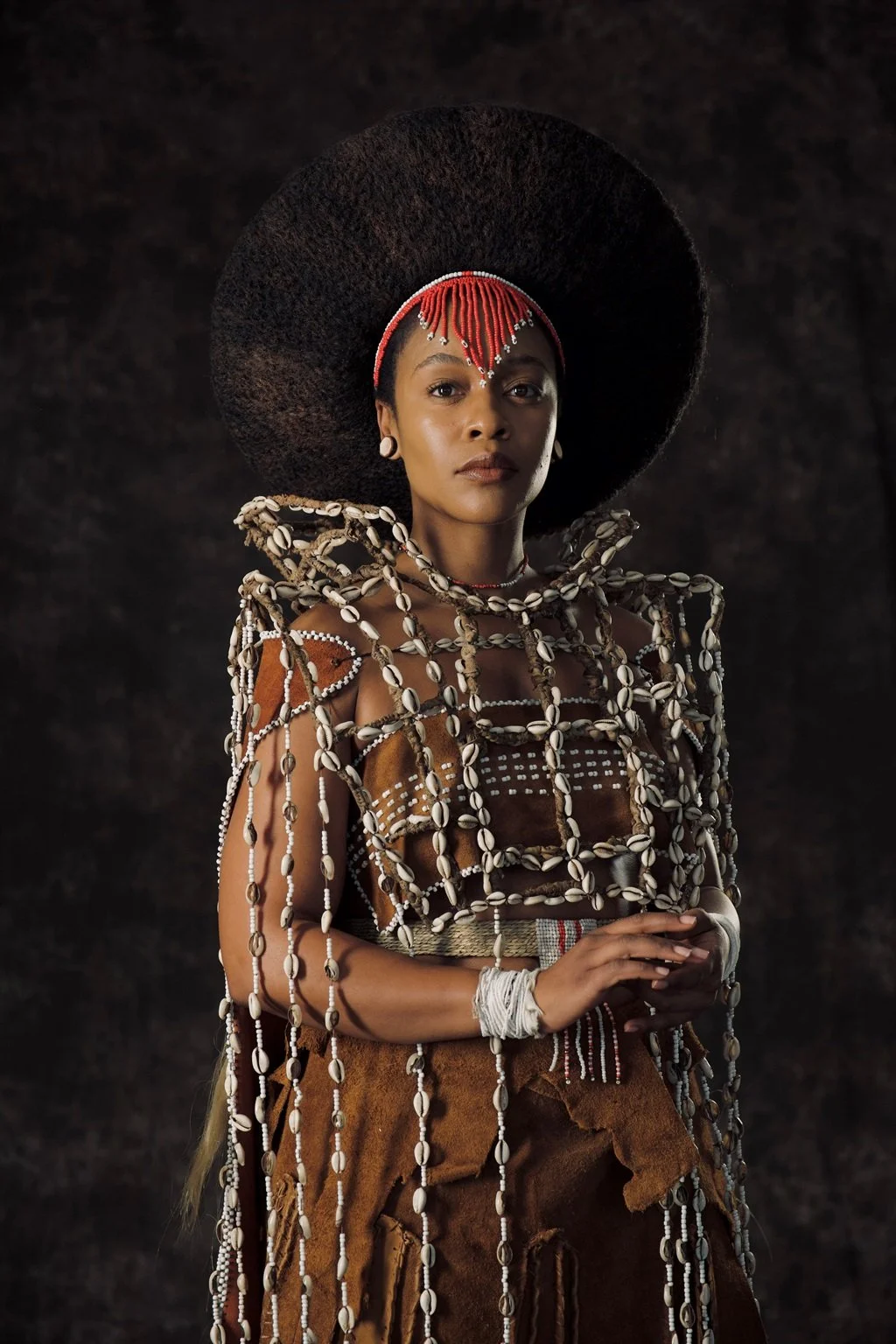
Colonisation understood this power, which is precisely why it targeted hair so deliberately. Traditional styles were recast by colonial administrators as "unkempt" and "uncivilised," and natural Black hair was policed, shamed, and in many contexts formally legislated against. The objective was about severing a people from the visible proof of their own history and their own authority. That campaign did not fully succeed. The knowledge survived in the hands of our grandmothers who kept braiding regardless of colonial disapproval, in styles carried across the Middle Passage and reinvented throughout the diaspora, and in the quiet refusal of children who would not let their natural texture be erased.
South Africa offers one of the clearest modern case studies of this ongoing tension. In 2016, students at Pretoria High School for Girls staged a protest that spread rapidly through classrooms across the country, after young Black girls were told their natural afros and braids were "untidy" or "exotic" under the school's code of conduct. On its surface, this was a dispute about a dress code. In substance, it was a referendum on whose beauty standard gets treated as the default in a country still working out what genuine post-apartheid transformation looks like in daily practice, not just in policy documents.
That same tension between assimilation and authenticity, between what has historically been coded as "professional" and what is simply, unapologetically African, continues to shape hair culture in South Africa today. It shows up in interview rooms, where natural hair is still quietly read as unpolished by people who would never say so directly. It shows up in retail aisles, where for decades products formulated specifically for natural hair textures were treated as a niche category, priced expensively, or simply unavailable.
Creme of Nature brings a different kind of legitimacy to this conversation than most international haircare brands attempt to claim. Founded on the South Side of Chicago as a barbershop innovation, the brand has spent more than six decades formulating specifically for textured hair, at a time when the mainstream beauty industry still treated natural hair textures as a niche rather than the global norm they represent. It remains, in its own right, a Black-legacy brand: built by and for the very hair type it now serves on African soil.
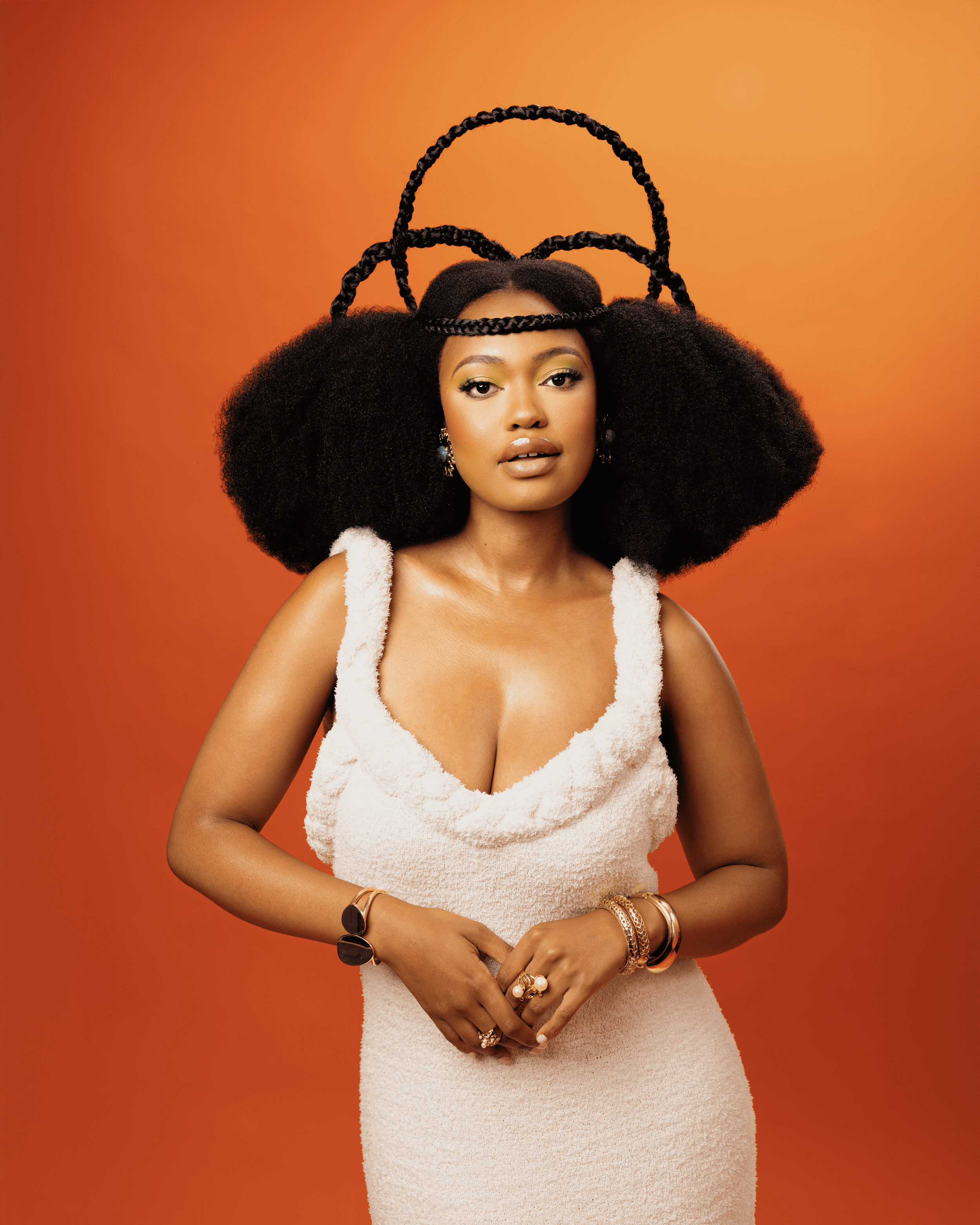
Since establishing itself in South Africa through retailers including Clicks, Dis-Chem, Takealot, Amazon, and Checkers, the brand has moved well beyond simply stocking shelves. Its current campaign, Unstoppable Hair, positions textured hair as a defining source of personal power rather than a feature to be managed, tracing its transformative role in shaping style, culture, and individuality. The campaign draws on the brand's signature 100% Argan Oil, sourced from Morocco, while leaning into the continent's own beauty traditions, and it extends its reach through a collaboration with R'Frique, a platform championing contemporary African design and fashion talent. Read against the history above, that positioning functions as a direct rebuttal to more than a century of messaging that told African women their natural texture needed to be tamed, hidden, or apologised for. The brand's proposition runs in the opposite direction entirely. The roots were never the problem requiring correction. They were always the point of the exercise.
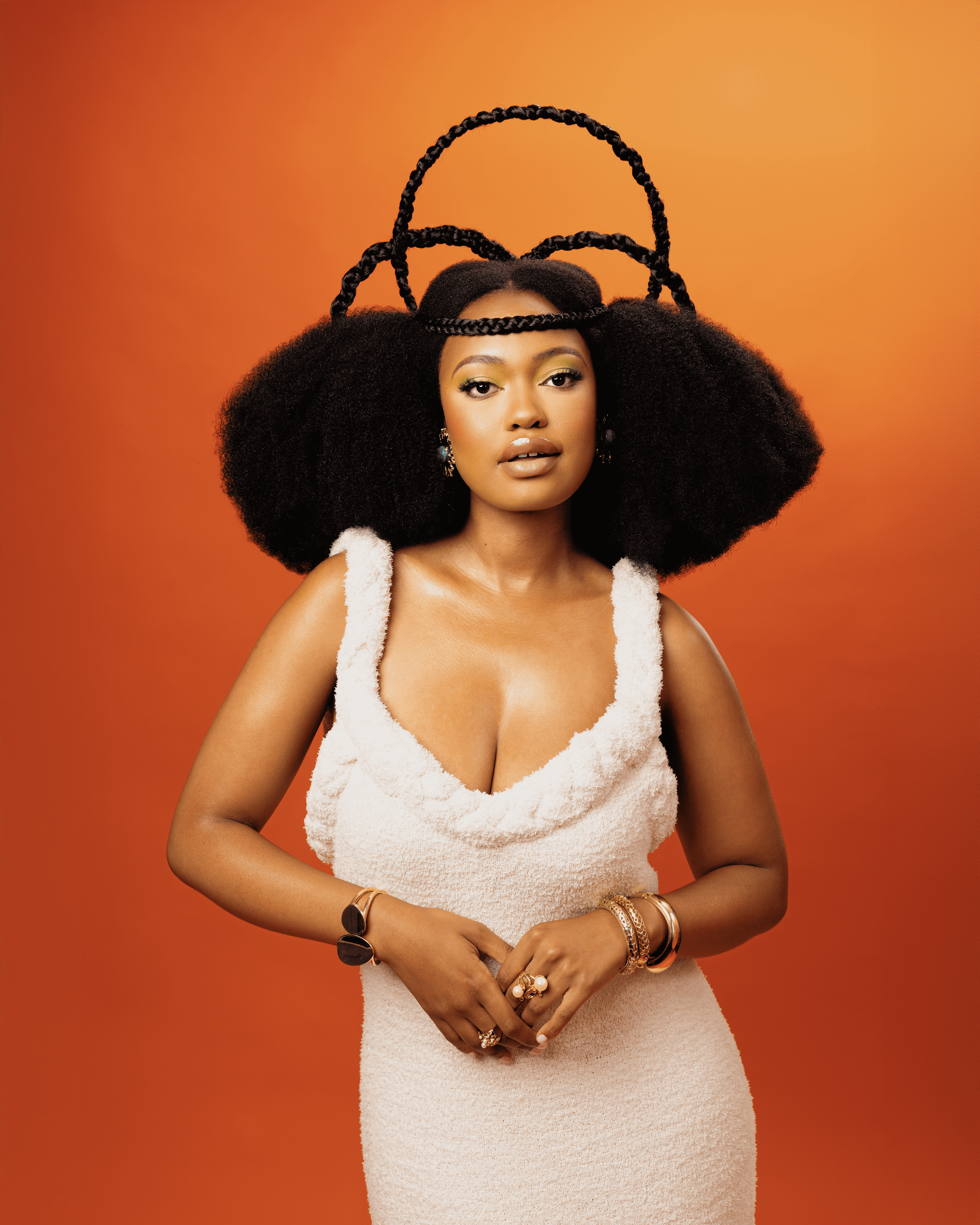
This is what separates Creme of Nature's continued presence in this market from a standard retail rollout. A haircare house with genuine formulation credibility for textured hair has rooted itself in the very market where that hair type originates, and it has kept a South African woman at the centre of its message. Naming Mbatha as its first-ever South African ambassador was a powerful choice for Creme of Nature, and a deliberate one. She has spent her career using her platform to champion African identity and dignity on her own terms.
Her portrayal of Queen Nandi in Shaka iLembe gives this partnership its sharpest strategic resonance. To play the mother of Shaka kaSenzangakhona is to carry the origin story of an entire nation's self-understanding. Nandi was a woman whose strength, suffering, and defiance shaped the most consequential king the Zulu Kingdom ever produced, and Mbatha's performance has been widely credited with reintroducing her to a generation of South Africans as a fully realised and formidable woman, regal precisely because she refused to be diminished.
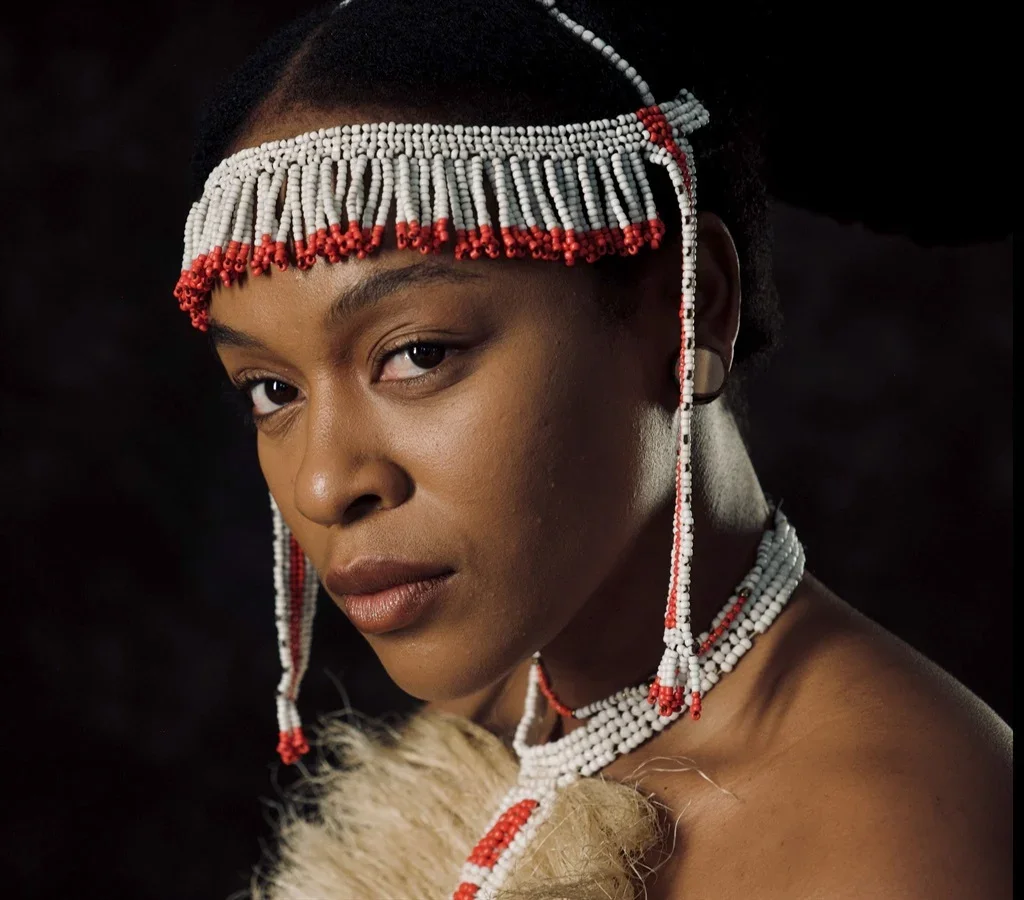
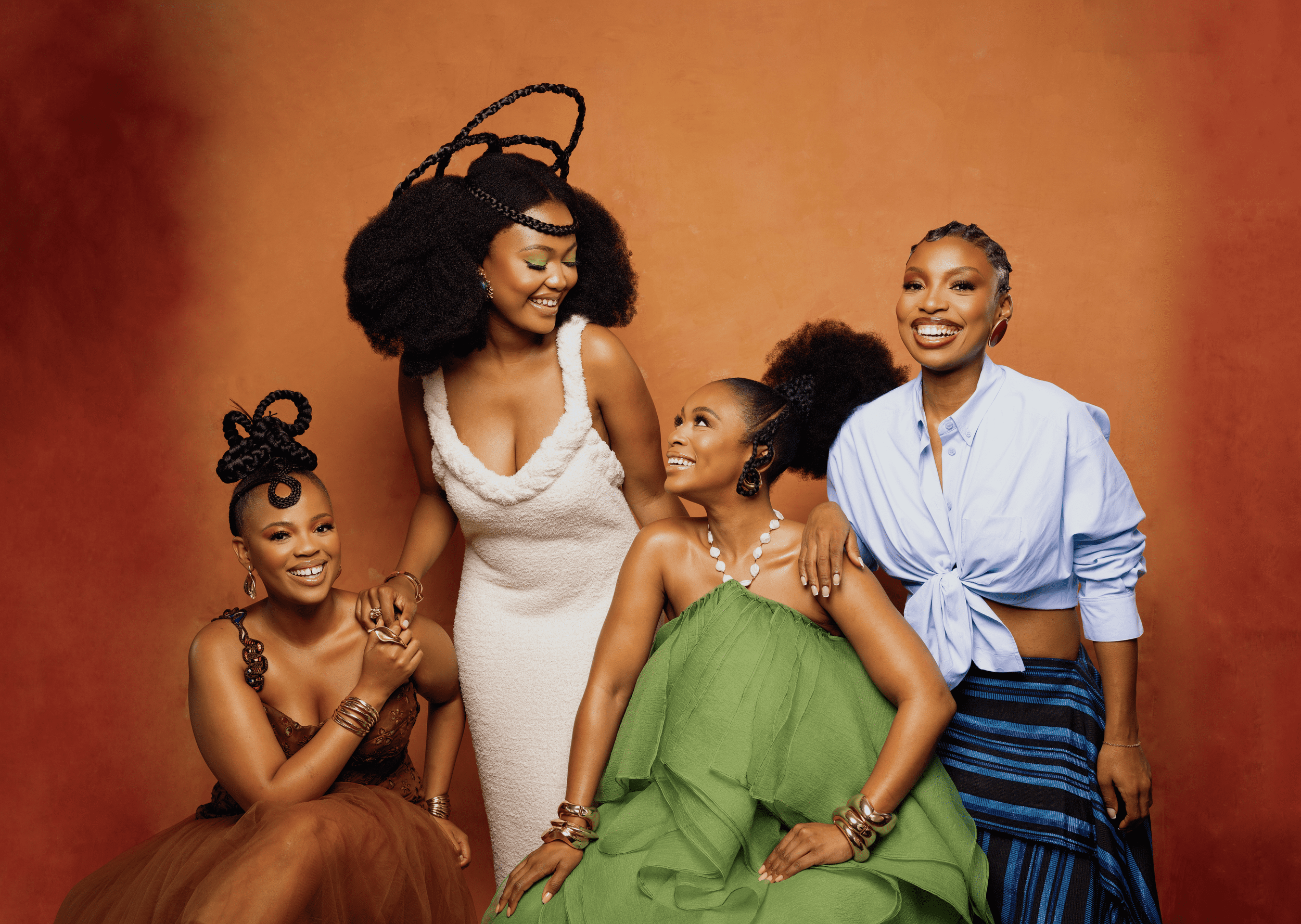
That is not a coincidental resume for a haircare campaign built around rootedness. It is the brand's central argument, already dramatised on national television. A campaign asking South African women to reclaim their crowns has found its ambassador in a woman who spent an entire series embodying exactly that kind of reclamation, portraying one of the most consequential queens in the country's precolonial history. Mbatha is not carrying this message alone. The Creme of Nature Squad, made up of influencers Zithobe Macheli, Oratile Moh, and Thembelihle Phetla, brings its own dynamism and vibrancy to the campaign, extending the conversation about natural hair pride into the everyday spaces where South African women actually live, scroll, and style.
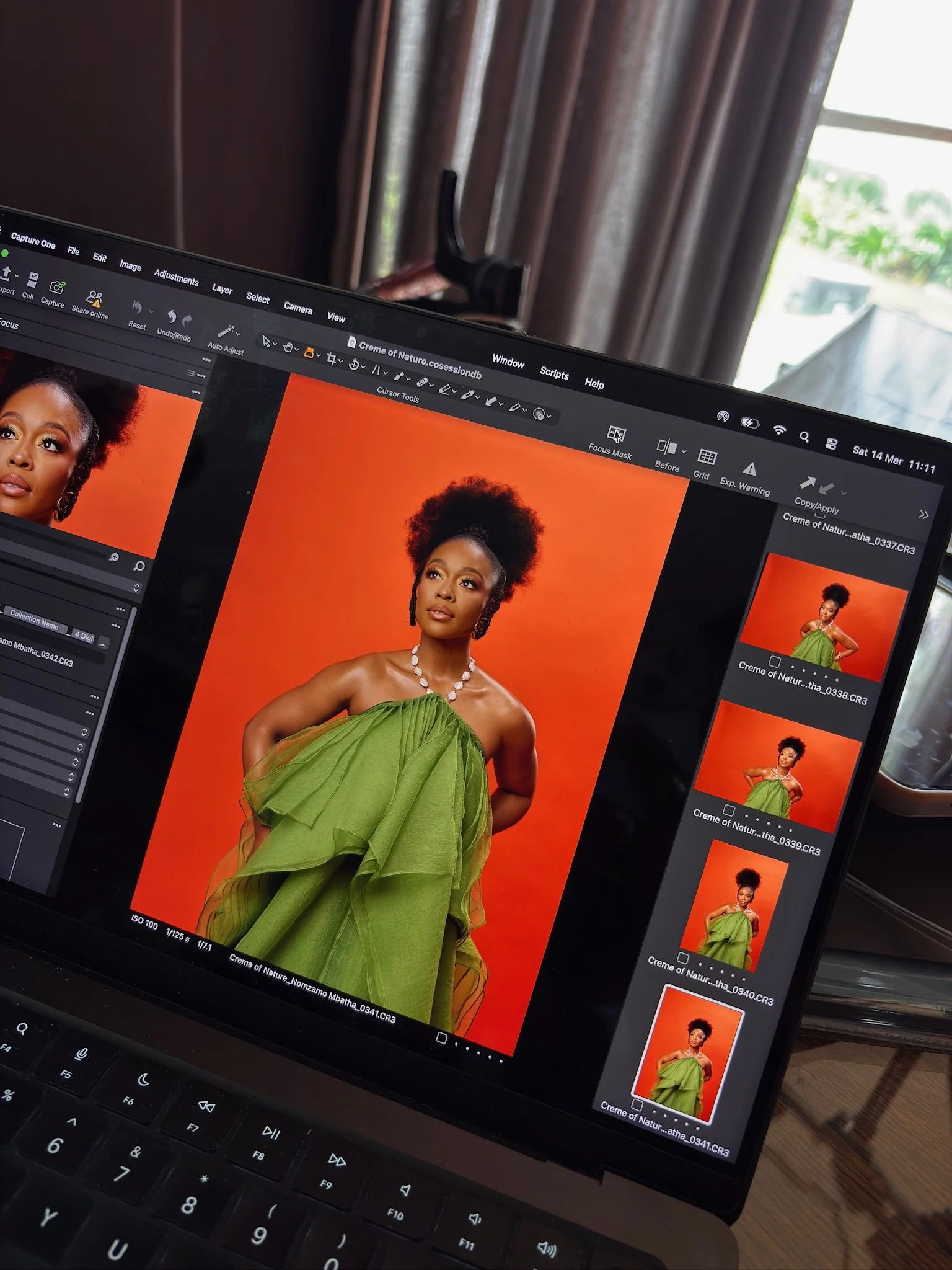
Parts of the beauty industry have grown comfortable treating "natural hair" as a marketing category rather than the ongoing negotiation it remains for most South African women. Hair consciousness in this market today is layered, and in many households, still unresolved. It shapes a mother's decision about whether to relax her daughter's hair before her first day of school, weighing tradition against fear of how the world will treat her child's natural hair texture. It shapes an entire generation raised on both traditional customs and TikTok, attempting to hold pride and practicality in the same hand without dropping either one. Choosing to wear natural hair remains, for many South African women, a quietly political act.
Creme of Nature's entry into South Africa points to a wider recalibration underway across the continent's beauty economy. Beauty on this continent has never existed separately from identity or power, regardless of how often the industry has tried to flatten it into a single trend cycle. A haircare brand that understands this, paired with an ambassador whose career has functioned as an extended meditation on African womanhood reclaimed, is not simply selling a product line, it is participating in a far older and far larger act of restoration, one the South African beauty market continues to feel the impact of.